
In today’s digital environment, protecting user privacy and maintaining transparency have become essential parts of website management. Users often provide permission for cookies, account creation, communication preferences and data usage, but businesses also need proof of how that permission was collected. For platforms and digital services such as Cricplus, maintaining clear consent practices helps create a more transparent experience for users while supporting responsible data handling.
Consent records provide important information about when, where and how a user agreed to specific actions. Instead of simply collecting permission, websites can store details that show the user’s choice was made clearly and knowingly. This approach helps improve trust and Supports better privacy management.
What Are Consent Records?
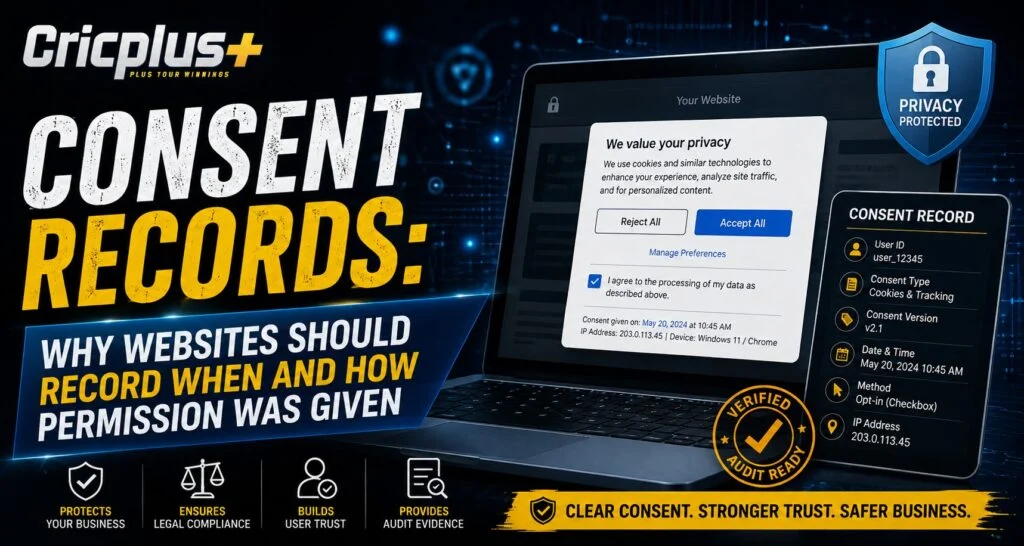
Consent records are documented details that show a user has provided permission for a specific activity. These records explain the circumstances under which consent was collected and help websites demonstrate that proper permission processes were followed.
A consent record may include:
- Date and time when permission was provided.
- Type of permission granted.
- Method used to collect consent.
- Website or application version.
- User preferences and selections.
- Changes or updates made later.
These details create a clear history of user choices.
Why Websites Need Consent Records
Many websites collect information for different purposes, including account services, personalised experiences, communication and security improvements. Without proper records, it can become difficult to confirm whether a user actually approved a specific activity.
Consent records help websites:
- Maintain transparency with users.
- Demonstrate privacy compliance.
- Resolve disputes about permissions.
- Improve internal data management.
- Build stronger user relationships.
Recording consent is not only about legal requirements; it is also about creating a trustworthy digital environment.
Understanding When Permission Was Given
The timing of consent is an important part of any record. Websites should know exactly when a user accepted a particular action because preferences can change over time.
For example:
- A user may accept marketing messages today but withdraw permission later.
- Cookie preferences may change after a website update.
- Account settings may be modified by the user.
Keeping a timeline allows websites to understand the complete history of user choices.
How Permission Was Collected Matters
A consent record should explain the method used to obtain approval. Not all forms of consent provide the same level of clarity.
Websites should record whether permission was collected through:
- Website checkboxes.
- Cookie preference banners.
- Account registration forms.
- Mobile application settings.
- Email confirmation links.
This information helps show that users had a clear opportunity to understand what they were agreeing to.
Key Elements of a Strong Consent Record
A reliable consent management system should capture important details without collecting unnecessary information.
Important elements include:
Clear User Choice
Users should have a genuine option to accept or reject specific activities. Consent should not be hidden inside complicated settings.
Specific Permission Details
Records should explain what the user agreed to, rather than simply storing a general approval message.
Accessible Privacy Information
Users should be able to understand how their information is handled before providing permission.
Updated Records
If policies or preferences change, websites should maintain updated records showing new choices.
Benefits of Maintaining Proper Consent History
A strong consent system creates advantages for both websites and users.
Benefits include:
- Better privacy control.
- Improved customer confidence.
- Easier management of user preferences.
- Reduced confusion about data usage.
- Stronger security practices.
For users accessing online services, understanding privacy settings is equally important. Checking official account processes, such as Cricplus Login procedures, helps users understand how their information may be managed.
Consent Records and Mobile Applications
Mobile applications also require proper permission management. Apps often request access to device features such as notifications, storage or location services.
Before installing any application, users should review:
- Requested permissions.
- Developer information.
- Privacy details.
- Data usage explanations.
Users exploring mobile platforms should verify official sources before downloading applications. Checking information related to Cricplus App availability through trusted channels can help users avoid unofficial versions.
How Websites Can Improve Consent Management
Websites can improve their consent systems by focusing on clarity and user control.
Recommended practices include:
- Using simple language.
- Allowing users to update preferences easily.
- Providing clear privacy notices.
- Maintaining secure consent storage.
- Reviewing consent systems regularly.
A transparent approach helps create better communication between websites and users.
Role of Consent in Building Digital Trust
Privacy has become a major factor influencing how users choose online platforms. Websites that clearly explain permission processes often create stronger relationships with their audiences.
Consent records show that a website respects user decisions and values transparency. Whether users access sports information, digital services or premium features like Cricplus Pro, clear privacy practices remain an important part of a reliable online experience.
Conclusion
Consent records are an essential part of modern website management. They help businesses understand when and how users provided permission while giving users greater control over their information.
By maintaining accurate records, websites can improve transparency, strengthen privacy practices and create more trustworthy digital environments. Proper consent management benefits both service providers and users by ensuring that choices are respected and documented.
Frequently Asked Questions (FAQs)
What is a consent record?
A consent record is documented proof showing when and how a user provided permission for a specific activity.
Why should websites store consent details?
Websites store consent details to maintain transparency, manage user preferences and demonstrate responsible data handling.
What information should a consent record include?
A consent record may include the date, time, permission type, collection method and user preference details.
Can users change their consent after giving permission?
Yes. Users should have the option to update or withdraw their preferences when required.
Why is recording the method of consent important?
Recording the method helps websites show that users were clearly informed and had a genuine choice.
How do mobile apps handle user permissions?
Mobile apps request permissions for different features, and users should review these requests before accepting them.
What is Cricplus Live?
Cricplus Live refers to live-related platform features and updates. Users should check official information for current availability.
How does Cricplus Pro relate to user privacy?
Users should review official privacy information and account settings to understand how premium features handle user data.